.svg)
.svg)
 For Instructor
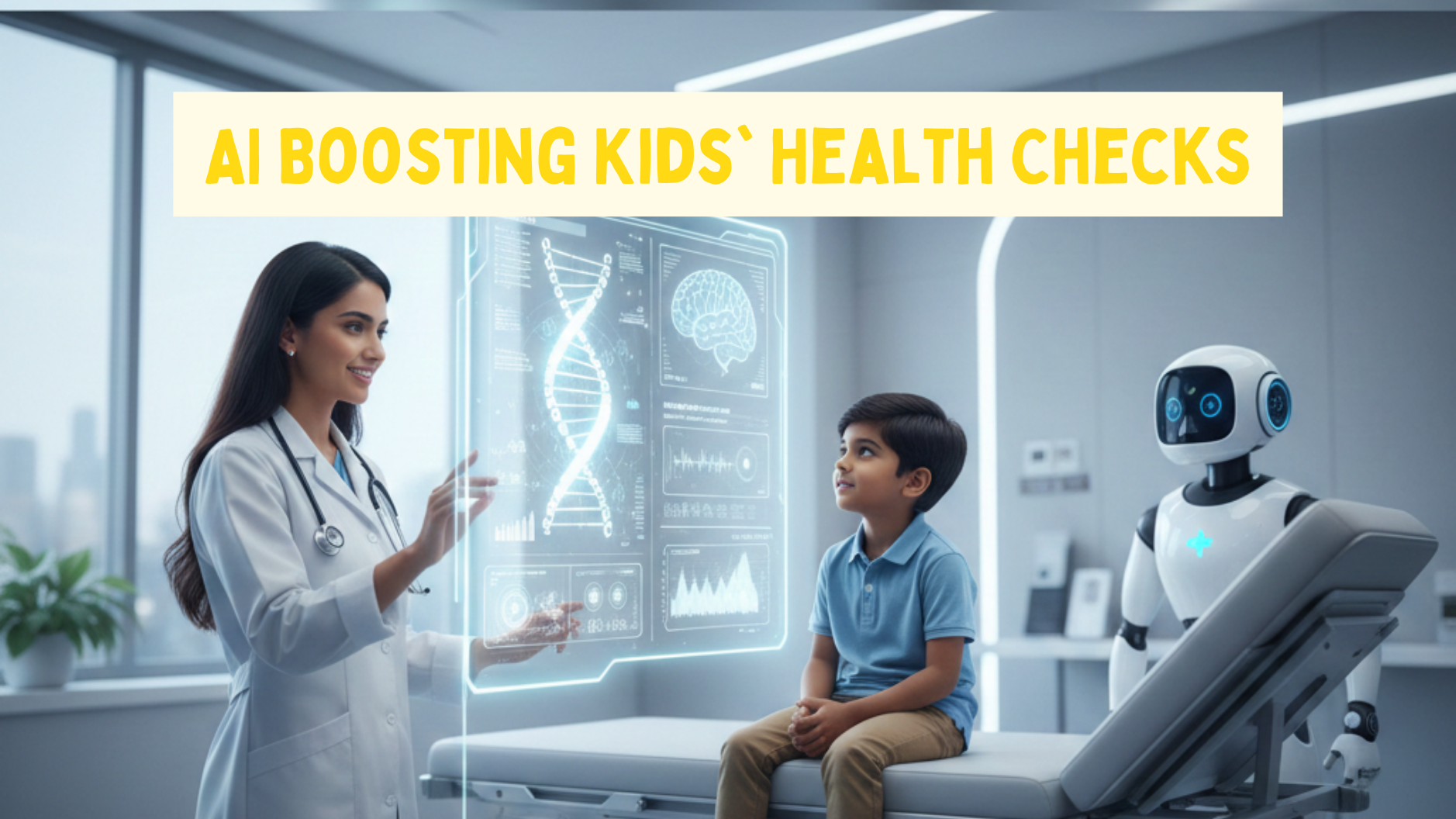
Artificial Intelligence Enhancing Children's Health Checks
Hello parents and health enthusiasts! The rapid development of Artificial Intelligence (AI) continues to change the landscape of how we are tracking children's health. AI technology (including wearable tech and applications) provides new opportunities for early detection of potential health issues in children. AI enables us to monitor children's growth, nutrition, activity level, and also identify potential mental health issues, and is now becoming a valuable resource for pediatricians and other healthcare professionals.
Why is AI Important for Children's Health?
AI generates insight from the analysis of data (including EHRs, parental surveys, and genetic records). These analyses enable physicians to identify patterns that may indicate a child's risk of developing a health problem (such as obesity or developmental delay) before clinical interventions are implemented.
Key Applications of AI for Children's Health
Wearable Technology: Use smartwatches to collect data about sleep time, physical activity time, and heart rate/pulse rate; these devices can also identify children who are at risk of not getting enough exercise.
Mobile Applications: Parents can take a picture of their child to receive an estimated height/weight without going to the doctor's office.
Ultrasound AI: An ultrasound scan performed during a baby's prenatal visit can be analyzed with the use of ultrasound AI technology in real-time, allowing physicians to accurately diagnose fetal abnormalities.
Risk Prediction Tools: Use electronic health record data and parental surveys to create an individualized risk profile to determine the risk of a child developing certain conditions (such as asthma or other developmental delays) based on their demographics and genetics.
Benefits of Real-World Implementation
The following examples illustrate the advantages of using AI for tracking the health of children and connecting patients with healthcare providers. In 2026, a framework was released that combines multiple forms of data to create a personalized risk assessment for patient care that matched the professional opinion of a physician 78% of the time. Startups like RevolutionAIze use smartphone cameras to generate growth charts for children living in underserved communities. OpenAI has developed machine learning tools to develop a simulated telehealth model for rapid consultations.