.svg)
.svg)
 For Instructor
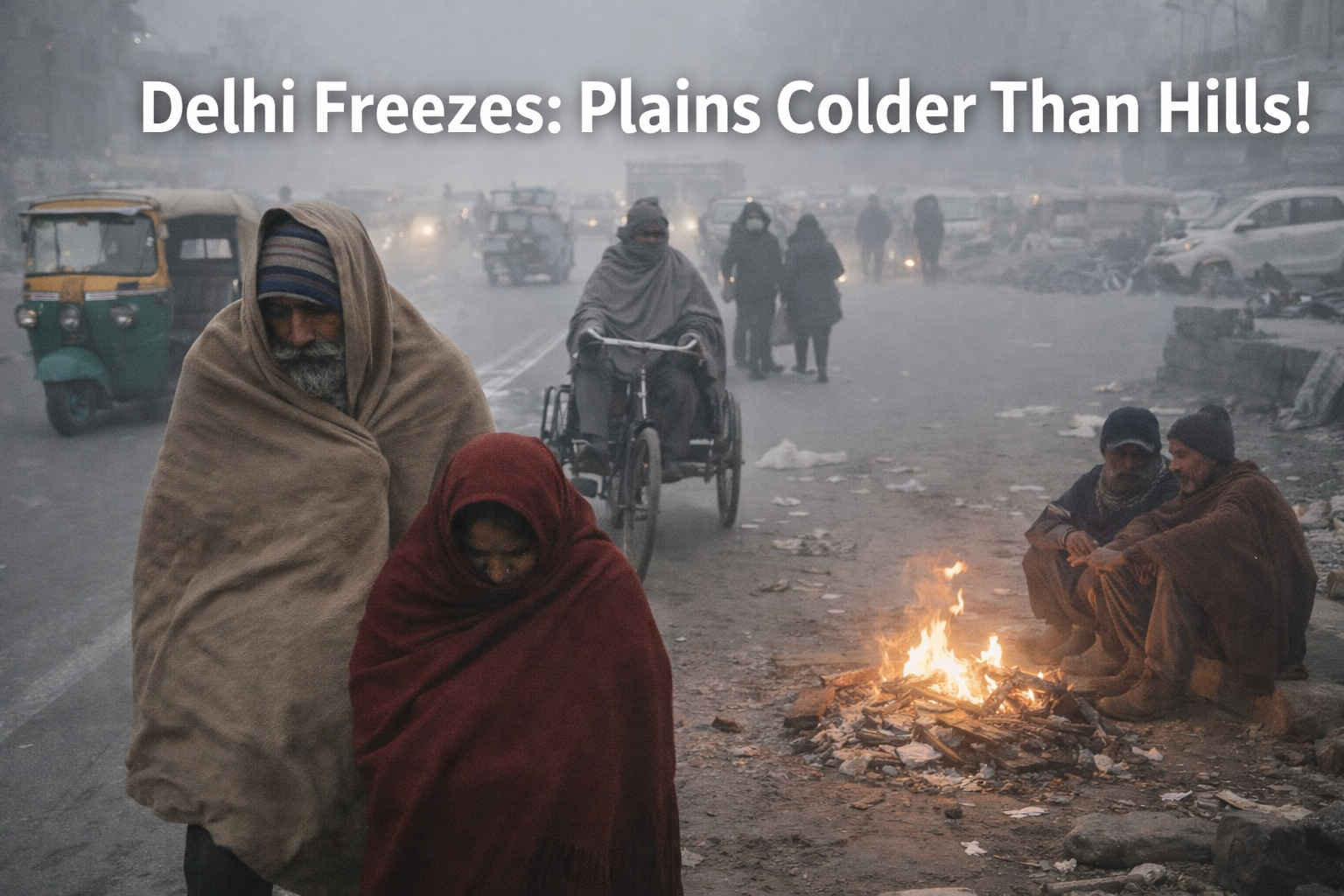
The winter weather in North India is exceptionally cold during February. The records in Gurgaon, Delhi-NCR have fallen to new lows of only -2.8 C° / 0.6 F°, and temperatures almost always remain below the freezing point. Highs reported this year include 3.9 C° / 3.0, the highest recorded at Safdarjung Airport and the lowest recorded for Delhi Station and many areas of North India in years. The fog and dangerous conditions created by the extreme weather have completely shut down public transport systems including train and bus service, drastically impacted commuter travel and created very treacherous conditions for drivers on the roads. The remote areas of Northern and Central India are being affected as well. Please read the following guidelines to help you better prepare for this severe weather and develop an informed plan for survival in cold temperatures.
Dress For Protection: Layer Up In 3 Ways: Use a moisture-wicking polyester or merino wool base layer, a middle insulating layer – fleece or wool – and a windproof shell.
Don’t Forget Three Heat Loss Areas: Use a warm hat (up to 30% of your body's heat can escape through your head), mittens (keep your hands warm – use two pairs of mittens if you have long fingers); wool socks and waterproof boots are necessary to keep your feet warm and dry.
Protect Your Face: A scarf or balaclava will protect your nose and mouth from frostbite from the frigid, biting wind.
Fuel Your Body's Furnace: Stay hydrated by drinking hot ginger chai and clear broth soups; the heat helps to warm your circulatory system. Drinking alcohol can dilate capillary blood vessels, which increases the body’s cooling effect.
Eat High-Calorie Snacks: The essential principles of eating high-calorie foods are the same; if you consume high-calorie foods (nuts, dates, peanut) you will generate energy and potential heat that will prevent the hypothermia effect.
Eat Multiple Times: Because of the cold, you will not have much appetite, but eating smaller amounts of food more frequently throughout the day will help provide constant fuel to your body, which will help prevent hypothermia from occurring.
Defeat Fog and Frost: Do not go out between 5 a.m. and 9 a.m. (maximum density fog and zero visibility). You can check the IMD's app for local ? by checking every hour. If you receive an orange alert, it is a severe cold wave.
Before Driving Cars: Always completely remove any ice from the windows of your vehicle, and allow your automobile to heat up for approximately 5 minutes before driving.
"At Home" Heating Hacks: Block cold drafts by putting wet towels under doorways and using a blanket or sheet to cover the windows; you will help prevent your lungs from drying out from the heat produced by heaters, which increases your risk of frostbite.
Share Body Heat: Sharing body heat is an excellent way to help yourself stay warm! Snuggling under a comforter or thick blanket with your family members and pets can help to warm all of you.
Warning Signs of Hypothermia: If you are experiencing mild symptoms such as: shivering to the point of losing control over muscles, confusion, slurring words, sleepiness, and weakness; you are likely by acquiring hypothermia. You should always assume that you have hypothermia if you are no longer shivering and experience clumsiness and/or blue lips.