.svg)
.svg)
 For Instructor
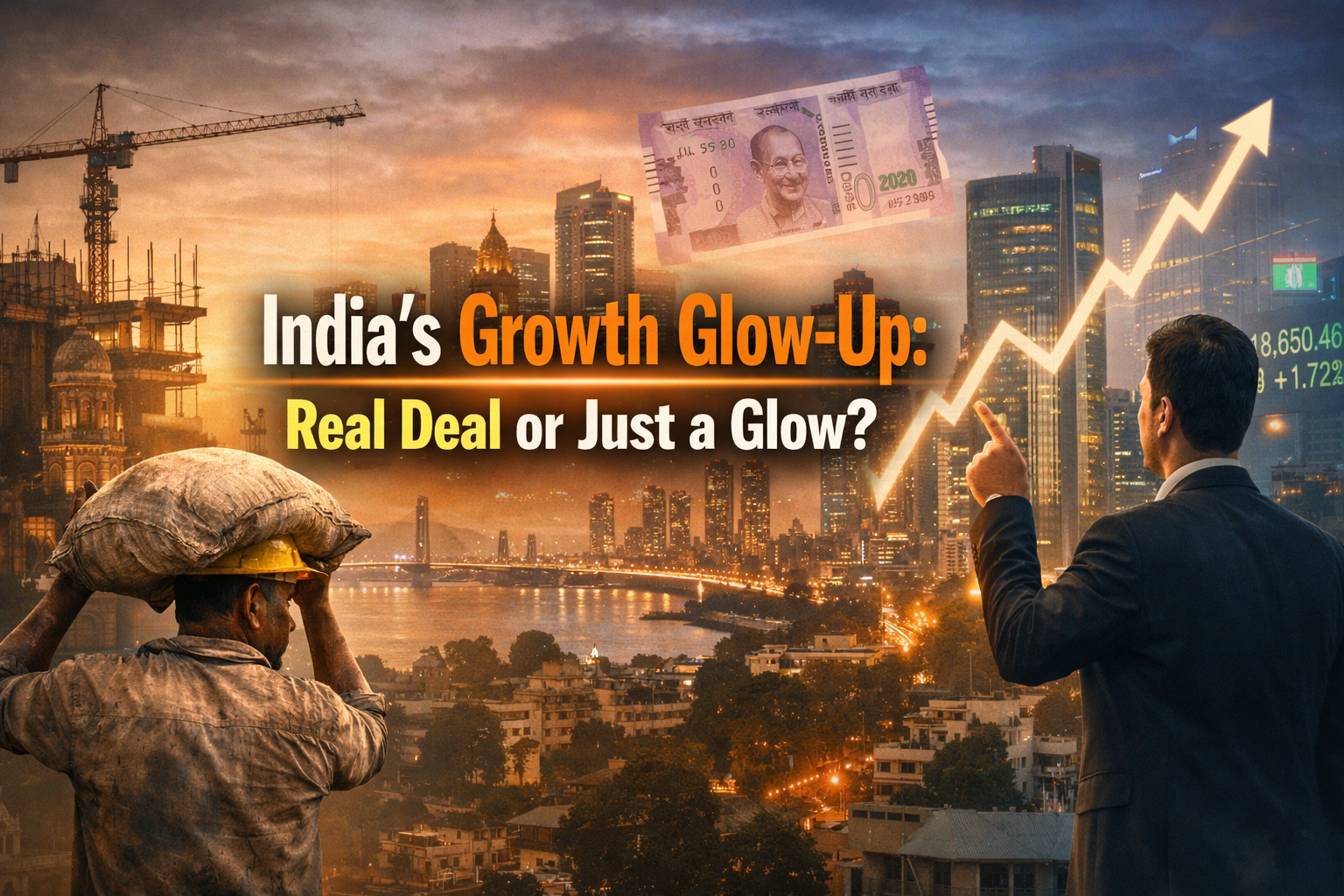
As the economy of India continues to grow at an annualized rate of over seven percent while other countries see declining economic growth. Inflation is starting to stabilize while the cost of doing business internationally is becoming less expensive. Former Governor of the Reserve Bank of India asks whether or not this means India will achieve a sustained rate of higher growth for the long term.
With regards to our ability to manage our money better today than in the past. An example of how much better we manage our finances is through inflation targeting (making it much easier to predict inflation rates) and the fiscal policies that are not as erratic as in prior years (meaning less spending of public funds on non-productive purposes) combined with a growing tradition of smart investment rather than the Government doing the investment.
All of these investments into modern technology have led to the greatest advancements in Financial Inclusion and have enabled the creation of new ways to manage business in an effective manner that enables companies to do business more efficiently. Companies such as Digital India, UPI, and Aadhaar have developed new ways of providing Financial Inclusion. Companies in Kolkata are now scanning the Paytm QR Code for payments, as smartphones have given them the ability to do business in a more productive manner.
Infrastructure is now also being improved. With improvements made to the Roads and Ports, India's economic growth is not going to lead to economic inflation due to the increase in the supply of goods produced in India moving to their end users outside of India.
Infrastructure is now starting to catch up to the manufacturing of the Electronic Devices, as well as the Renewables, that will be produced in India.
Currently, should there be a sudden demand increase for any product produced within India's supply chain, the demand will be met without chaos occurring from supply meeting demand.