.svg)
.svg)
 For Instructor
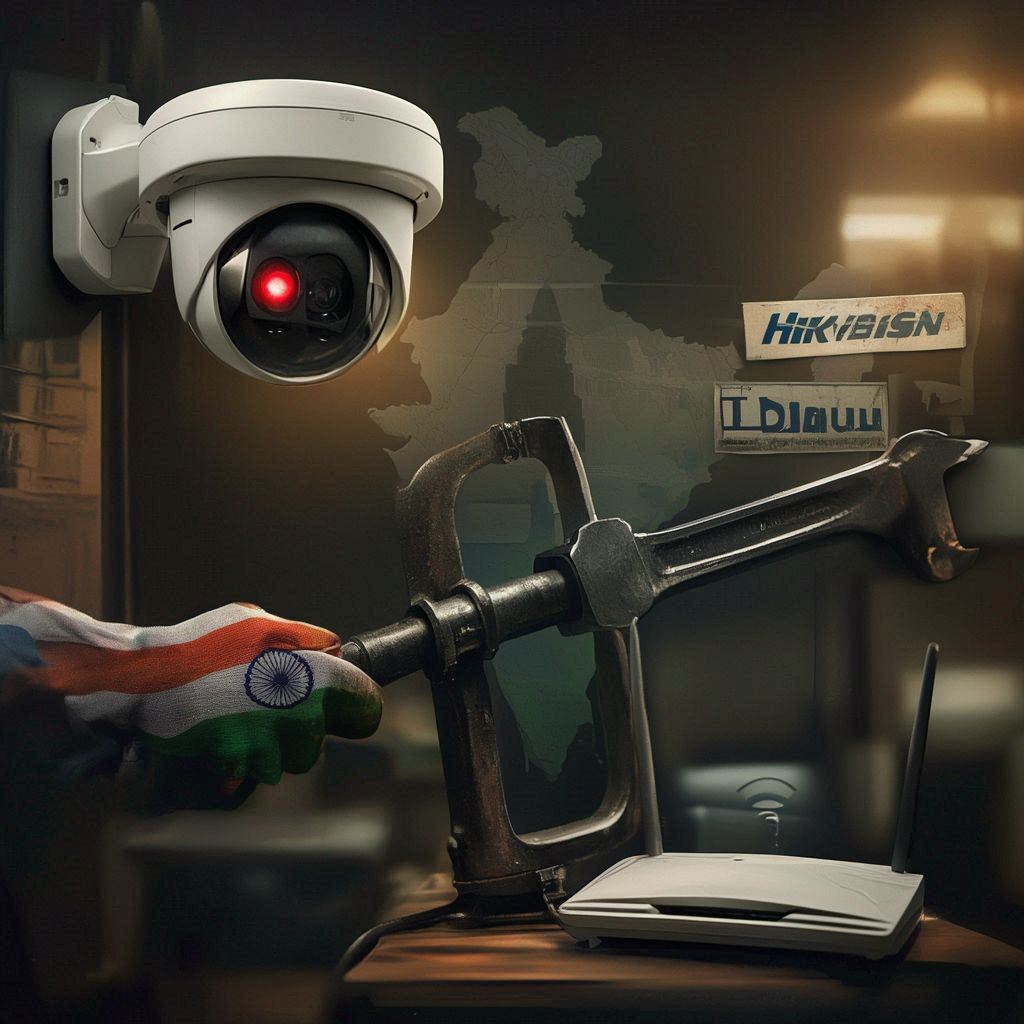
The Big Switch: Why India is Moving Away from Chinese CCTV and Routers
Have you ever looked at that small, blinking security camera in the corner of your office or home and wondered, "Who else is watching this?" It sounds like something out of a spy movie, but for the Indian government, it’s a very real concern.
Starting April 1, India is officially tightening the screws on Chinese-made surveillance equipment. If you’ve heard names like Hikvision or Dahua, you’re looking at the giants of the CCTV world. They are everywhere—from local grocery stores to major housing complexes. But now, they (along with networking brand TP-Link) are under the microscope.
Let’s break down what’s actually happening, why it matters to you, and what the "new normal" for Indian tech might look like.
Why the Sudden Crackdown?
It’s not just about "Made in China" vs. "Made in India." It’s about data. Modern security cameras aren't just lenses; they are internet-connected computers. They send data to servers, receive remote updates, and can be accessed via apps from anywhere in the world.
1. The "Backdoor" Problem
The biggest worry is "backdoor" access. Security experts fear that foreign-made devices could have hidden vulnerabilities that allow external agencies to splay into sensitive data. Imagine a camera inside a government office or a power plant being "pinged" by a server halfway across the world. That’s a massive national security risk.
2. The TP-Link Factor
While cameras are the eyes, routers are the nervous system. TP-Link is a household name in India because their routers are affordable and reliable. However, because routers manage every single byte of data entering and leaving your home or office, the government is concerned about potential data leaks and surveillance vulnerabilities at the hardware level.
3. Geopolitical Tensions
We can’t ignore the elephant in the room. Tensions at the border have accelerated India’s desire to be digitally "Atmanirbhar" (self-reliant). Just like the ban on TikTok and several other Chinese apps a few years ago, this is part of a larger strategy to reduce dependence on technology from neighbors with whom relations are... well, complicated.
What This Means for Businesses and Homeowners
If you’re a business owner who just installed 50 Hikvision cameras, you might be feeling a bit of a headache coming on. Here’s how the impact ripples out:
- Higher Initial Costs: Let’s be honest—Chinese tech is often the cheapest on the market. Switching to "trusted" brands or domestic alternatives might mean a slightly higher upfront investment.
- A "Rip and Replace" Cycle: While the ban primarily targets new government procurement and sensitive installations, private sectors are likely to follow suit to ensure their own data insurance remains valid.
- Better Security Habits: On the bright side, this move is forcing everyone to take cyber-hygiene seriously. It’s no longer just about "plug and play"; it’s about knowing where your data lives.
The Silver Lining: A Boost for "Made in India"
Every challenge is an opportunity in disguise. By restricting these global giants, India is clearing the runway for domestic tech companies.
- Local Manufacturing: Companies like CP PLUS, Matrix Comsec, and Sparsh are already ramping up their game. We are likely to see a surge in "Designed in India" hardware that meets global security standards.
- Software Innovation: Security isn't just about the camera; it’s about the AI that runs it. Indian startups are now creating advanced Video Analytics and cloud storage solutions that keep data stored locally on Indian servers.
- Job Creation: More factories and R&D centers in India mean more jobs for our engineers and factory workers.
How to Stay "Tech-Safe" During the Transition
If you're looking to upgrade your security or networking setup, here are a few conversational tips to keep in mind:
- Check the "Cloud" Location: Ask your provider where the data is stored. Is it on an Indian server or an overseas one?
- Firmware is Key: Always change the default passwords on your routers and cameras the second you take them out of the box.
- Look for "Trusted Sources": The government maintains a list of trusted telecommunications and hardware providers. Stick to those whenever possible.
Final Thoughts
The move to restrict brands like Hikvision, Dahua, and TP-Link is a bold step toward a more secure digital India. While it might cause some short-term ripples in the market, the long-term goal is clear: a country where our surveillance keeps us safe without making us vulnerable.
It’s time to look at our gadgets not just for their price tags, but for the peace of mind they provide. After all, what’s the point of a security camera if it creates a security hole?
India is implementing strict restrictions on Chinese surveillance brands like Hikvision, Dahua, and TP-Link starting April 1, 2026. This blog explores the national security concerns, the impact on businesses, and the rise of the domestic tech ecosystem.