.svg)
.svg)
 For Instructor
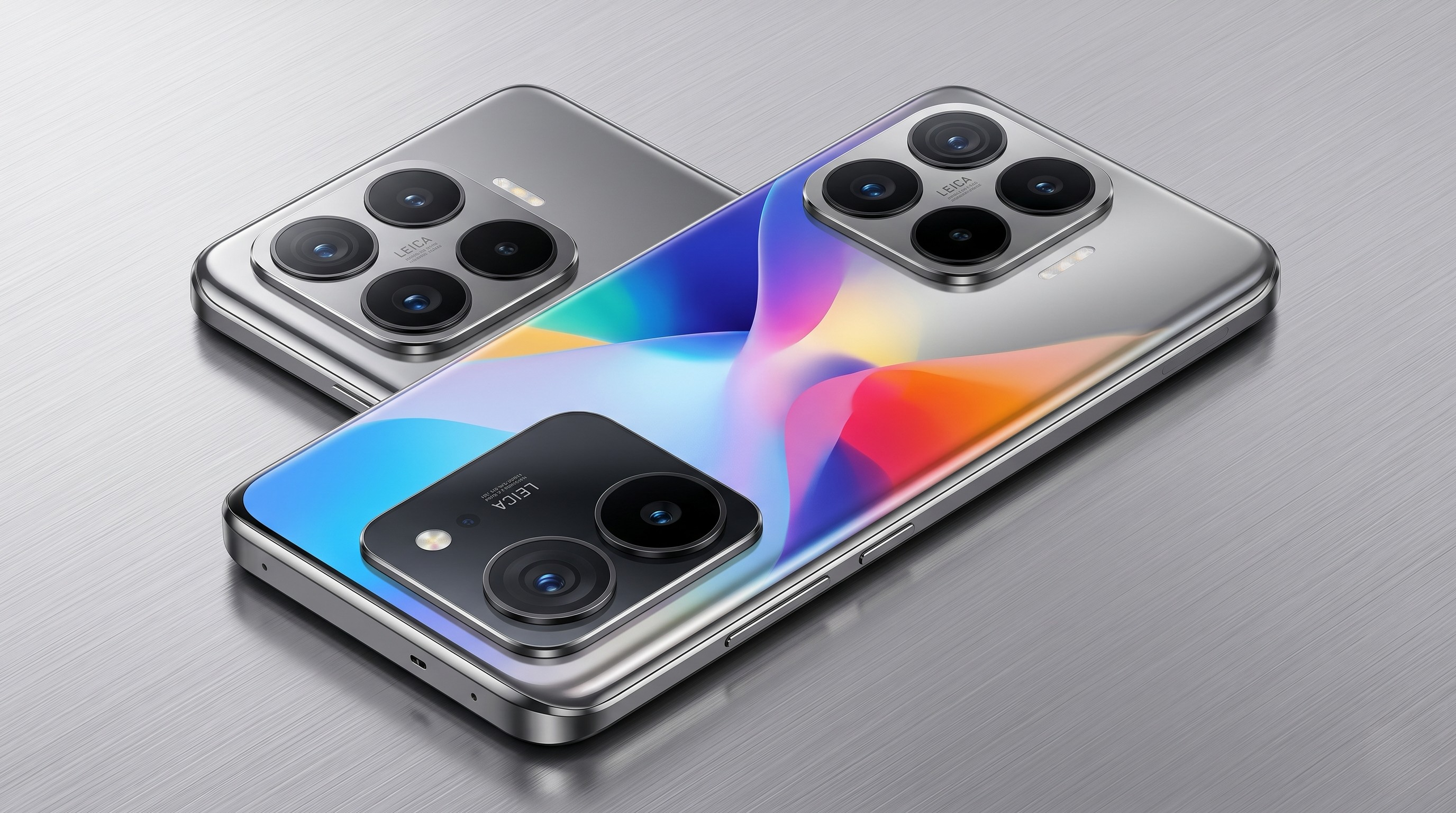
If you’ve been keeping track of smartphones, you know that Xiaomi always uses its "T" series to show off its ability to create "flagship killers." We have now seen leaks relating to the upcoming Xiaomi 17T and 17T Pro and the excitement is quite mixed within the tech community.
We will discuss everything that we know thus far about the next European challengers from Xiaomi, including their similarities in design and the updated processing hardware.
What is the most significant thing? The cost
Let’s start with the most significant part of a purchase, which is price. Based on the leaked information, the Xiaomi 17T and 17T Pro models will be priced at €749 when launched in Europe.
If you recall when the 13T or 14T models were launched, it is noticeable that the price has crept up significantly, and Xiaomi is transitioning to a premium brand that competes with some of Samsung’s and Apple’s devices. The question becomes whether or not the specifications warrant paying nearly the same for the new models as for older models.
MediaTek's all-out commitment to its 17T family of products
Previously, there were two separate lines of smartphones: those with Snapdragon processors and those with MediaTek processors. This time around, all indications show that Xiaomi has really made a commitment to using MediaTek’s Dimensity processor for this entire line of devices.
Xiaomi 17T – likely powered by an 8000 series Dimensity chip.
Xiaomi 17T Pro – likely to be powered by the 9400 Dimensity chip or a its equivalent unit for 2026.
In both cases, this is great news because MediaTek has really closed the gap between themselves and Qualcomm their processors have proven to provide exceptional performance and efficiency. This means better battery life and less overheating during high-performance gaming sessions. Of course, for those committed to "Snapdragon or die" this may be difficult to accept.
How the Leaks Are About Shuffling Specs
Shuffling Specs is a common tech-term used by manufacturers to describe the transferal of components that were originally placed on different parts of an item. Simply put, shuffling specs means that you replaced some items in order to bring the price down. Here’s how that’s going to happen on the new series of Xiaomi phones.
1. The Camera
Xiaomi continues their partnership with Leica, but are likely to have shuffling specs on the sensors. There are rumors of Leica producing a very large sensor for the Pro variant as well as a smaller but also very good image sensor for the sub-pro variant compared to the ultra-prestige Xiaomi 17 Ultra’s telephoto lens. You continue to have those beautiful Leica-Camera type color profiles so that your pictures still look like they were taken with a movie camera.
2. Display and Build
You can anticipate seeing 144Hz AMOLED screens all around. Xiaomi has become very adept at providing customers with what's known as a "flat display," and many users actually prefer flat-edge displays over curved-edge ones because they make it easier to locate screen protectors, and less likely to accidentally touch the screen. This phone's design should feel "familiar" to previous users, in the sense that if you liked the appearance of previous Xiaomi phones that featured a "glass-and-metal sandwich," you should feel comfortable with this one.
3. Charging Speed
Xiaomi is known for producing devices with exceptionally fast charging capabilities, and this device is no exception. The Pro model will feature 120W of wired charging, which should allow you to plug your phone into an outlet, go prepare a coffee, and come back with your phone at 100% charge. This is not a feature you will need until you have had it, at which point you will want to continue to use it until you get rid of the device.
Is It Really Worth It?
The new flagship series from Xiaomi appears to target the consumer looking for flagship specs at less than €1,200. At €749 this is still far from "budget" but with superior MediaTek processors and Leica camera options combined, the offer looks good.
For users currently using their phones for two or three years, these phones should represent a significant upgrade in both performance and photography capabilities. However, if you are an avid Snapdragon user, you might want to wait until you see how well Dimensity 9400 performs in benchmark testing before making a decision.